
How to Successfully Lead Former Peers After a Promotion
 Talent Plus

A promotion to a leadership position is a career milestone worth celebrating. But when your new direct reports are the same people you grabbed lunch with last week, that milestone comes with a learning curve most leadership books skip right over.
If you’re new to management, first-time manager tips are a good place to start. But this is a specific challenge even experienced managers face in new roles.
When team dynamics shift overnight, leading former peers can go beyond a management challenge and become a relationship challenge. You’re no longer asking for input, you’re the one responsible for giving it. When done right, this shift builds your credibility, deepens trust and sets the whole team up to do their best work.
Here are six smart strategies to help you make that transition with confidence.
Acknowledge the Shift
One of the most common mistakes new managers make is acting like nothing has changed. Something did change, and your former peers know it. The sooner you address it, the sooner everyone can move forward on a fresh path.
A simple, direct conversation goes a long way. You don’t need a formal speech; try a brief acknowledgement, like, “I know our dynamic is different now, and I want us to navigate it together.” This signals self-awareness and invites collaboration.
Redefine the Relationship
Friendship doesn’t disqualify you from leadership, but it does require recalibration. You can still be personable, approachable and human, but you can’t be a work friend in the same way you used to be.
The goal isn’t to become a different person. It’s to show up in a new way that serves the team. That means being consistent in how you treat everyone, resisting the pull to confide in closer colleagues over others and leading with fairness rather than familiarity.
As you settle into the role, learning to manage up and down with talent in mind will strengthen every relationship on your team — including the ones above you. Relationships can evolve without breaking, but you need to do it consciously and conscientiously.
Lead With Strengths
One advantage of leading former peers is that you already know them. You’ve seen how they work, what energizes them and where they shine. That’s an insight most new managers spend months trying to develop. So use it as an advantage.
Understanding each person’s natural talents — and being clear about what you value about their contributions — builds trust. Talent Cards can help you formalize what you already know intuitively. They give you a structured, research-backed view of each person’s innate strengths. This lets you coach more precisely, recognize more meaningfully and build a shared language for growth that your whole team can rally around.
Set Clear Expectations Early
Ambiguity is the enemy of smooth transitions. Teams that aren’t sure what’s changed and what hasn’t will fill in the blanks themselves. Instead, it’s your job as a leader to set those expectations.
In your first weeks as a manager, be clear about how decisions get made, how feedback flows and what you need from the team to succeed together. Clarity isn’t controlling, it’s respectful. People perform better when they understand the rules of engagement, and it removes guesswork that can eat away at morale.
Earn Authority Through Action
Your promotion gave you a new role and job title, not automatic respect. Credibility still comes from what you do — how you show up in difficult moments, how you advocate for your team and how you handle mistakes. And understanding the qualities that define effective managers gives you a useful framework as you build credibility in your new role.
Resist the urge to over-assert authority. Instead, demonstrate it through consistency, follow-through and quality decisions. Former peers are watching you closely, and they’ll adjust their trust based on what they see.
Ask for Feedback
New managers often wait too long to ask how they’re doing. And when your team is made up of former peers, the dynamic can make honest feedback even harder to get — some team members may not feel comfortable being candid with someone who used to be a colleague. However, inviting feedback shows confidence, and it gives people permission to open up.
Try, “What’s one thing I could do to better support you right now?” or “Is there anything I could improve about how I’m leading?” Questions like these model the openness you want your team to bring to their own growth, plus it will help them open up and give you real information to work with. Giving feedback that strengthens talent is a great way to make feedback a two-way tool.
The Transition Is an Opportunity
Leading former peers can be a big opportunity and a big challenge. But it’s also a unique opportunity. You already understand the team’s culture, strengths and dynamics. You know where the friction points are. You know who thrives on autonomy and who would benefit from more coaching.
Managers who navigate this transition best aren’t those who pretend past relationships didn’t exist or that connections haven’t changed — they’re the ones who honor those relationships as they grow into something new. With the right approach, your promotion becomes a step forward for you and a spark for positive change for your entire team.

Talent Plus
Talent Plus is a team of industry experts who collaborate to deliver insightful and impactful content. Our blogs are designed to provide practical advice and fresh perspectives, helping you stay informed and ahead of the curve.
Latest Posts: Blog
Blog August 25, 2026
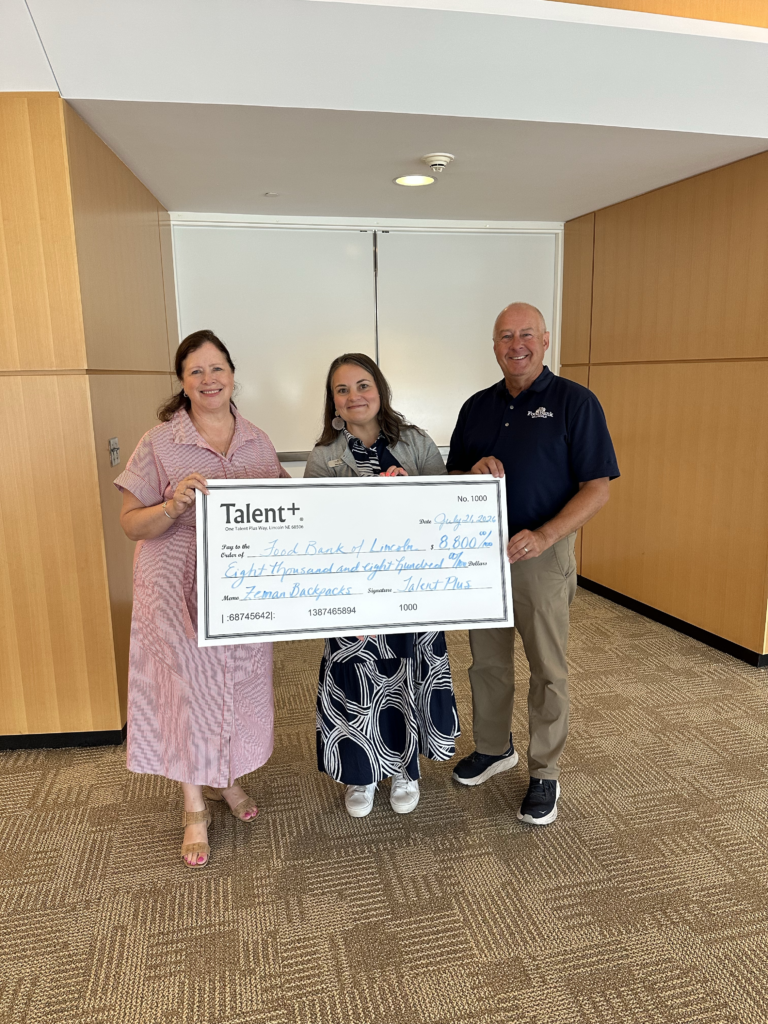
Talent Plus ® Celebrates Another Year of Partnership with The Food Bank of Lincoln
Talent Plus and the Food Bank of Lincoln work together in partnership to raise money for the local Backpack program.
Read More
Blog August 18, 2026
How Workplaces Can Support Working Parents During Back-to-School Season
Learn what working parents are up against during the back to school season, and 5 ways employers can support them.
Read More
Blog June 05, 2026
How to Successfully Lead Former Peers After a Promotion
Learn how to go from peer to leader with six smart strategies that will help you make the transition with confidence and ease.
Read More
Blog March 24, 2026
Make 2026 Goals Stick: How Talent Turns Intentions Into Outcomes
Learn how when people understand their natural talents and leaders coach with those talents in mind, goal execution becomes more realistic.
Read More
Blog March 06, 2026
Reese Witherspoon Is Right About Talent: Here’s Why It Matters for Your Organization
Learn the importance of building systems that discover, measure and develop talent intentionally across your entire organization.
Read More
Blog February 02, 2026
Managing Up and Down: Using Talent to Strengthen Every Working Relationship
Managing up and down is one of the most valuable skills you can have. Learn how understanding talent can make managing in both directions much easier.
Read More